
On paper, lamella clarifiers seem like a smart choice. They save space, speed up settling, and handle flow pretty efficiently. At least, that’s the promise.
In practice, many plants install them and then struggle with cloudy water, sludge issues, and poor downstream performance. The technology itself isn’t the problem. It’s usually the way it’s been designed and set up.
Let’s break down why so many lamella clarifiers under-deliver, and what you can do to make sure yours performs as expected.
How Lamella Clarification Works (And Why It’s Popular)
A lamella clarifier uses tilted plates inside a tank to increase the surface area available for settling. Water flows upward between these plates, and as solids settle, they slide down into a sludge collection zone.
This speeds up sedimentation without requiring a large footprint. For plants dealing with limited space or high flow volumes, that’s a major advantage.
So why do these systems fail to meet expectations?
In most cases, the design is based on standard flow rates instead of actual solids load, sludge characteristics, or operational conditions.
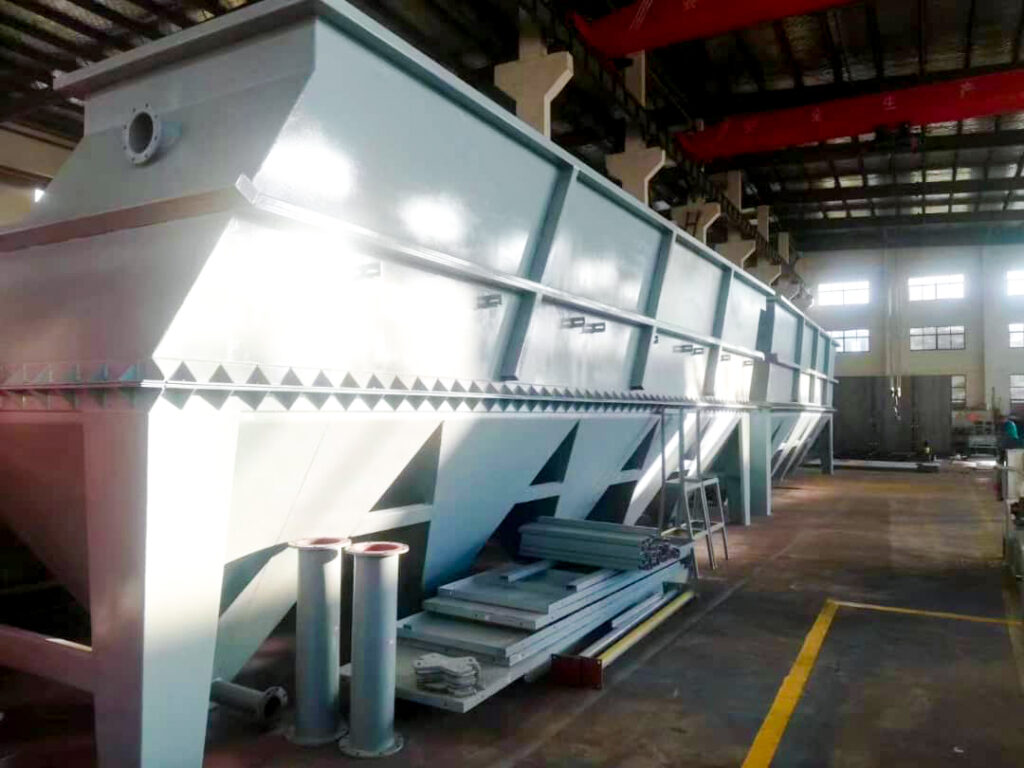
Top 3 Reasons Lamella Systems Underperform
1. Plate Area Too Small for the Job
The most common mistake is designing the system around flow rate alone. What really matters is how much settling surface area is available in relation to the solids load. If the plates are undersized, solids pass through, turbidity increases, and downstream systems get overwhelmed.
2. Poor Sludge Handling Setup
Sludge settles fast in lamella clarifiers. But if it’s not removed efficiently, it doesn’t stay put. It can re-enter the main flow and reduce outlet clarity. To prevent this, you need proper hopper geometry, well-timed purging, and a reliable sludge withdrawal system built into the setup.
3. No Way to Maintain or Troubleshoot
Here’s something many installers overlook:
If there are no inspection ports, isolation valves, or access for cleaning, even simple maintenance becomes difficult. Clogged plates, biofilm growth, and uneven flow patterns can go unnoticed until performance drops sharply.
What a Well-Designed Clarifier Should Actually Look Like
The best lamella systems aren’t just compact. They are:
- Sized for actual solids load, not just flow volume
- Built with access for easy cleaning and maintenance
- Equipped with a proper sludge removal mechanism
- Designed based on real-world conditions, not just generic specs
If you’re dealing with inconsistent performance or higher-than-expected maintenance costs, it might be time to re-evaluate your design.
What Kind of Industries Use Lamella Clarifiers?
Lamella clarifiers are widely used in:
- Food processing plants, where space is limited and solids are high
- Textile and dyeing units, dealing with colored and particulate-heavy effluents
- Pharmaceutical operations, where discharge limits are strict
- ETP retrofits, where expanding tank sizes isn’t an option
But even in these industries, success depends entirely on how well the clarifier is designed and integrated.
What We Do Differently at Ecovive
Every treatment plant is different. That’s why we never use a one-size-fits-all approach.
Here’s what we do instead:
- Analyze both solids load and flow variability
- Run simulations to size the plates correctly
- Design sludge removal strategies for each project
- Plan layouts with maintenance access built in
Whether you’re working on a new project or upgrading an existing clarifier, our focus is to make sure your setup actually performs as intended.
Before You Install or Retrofit a Lamella Clarifier, Ask These Questions:
- What’s your average Total Suspended Solids (TSS) load?
- Is there enough access for efficient sludge removal?
- Can your team reach and clean the plates if needed?
- Are you designing based on flow, or on load characteristics?
Skipping these questions is often the reason for system underperformance.
Final Word: Compact Design Is a Feature, Not a Fix-All
Lamella clarifiers can be incredibly effective, but only if they’re designed, installed, and operated with attention to the actual conditions of your plant. If your current system isn’t delivering the clarity or reliability you expected, the issue likely lies in how it was designed—not the clarifier itself.
We can help you fix that.
Looking to Optimise Your Clarifier Setup?
We’ve worked with hundreds of industrial effluent treatment plants across India—from compact food processing units to large pharmaceutical facilities. Whether you’re installing a new system or fine-tuning an old one, we can help you design a setup that actually works.
