
When industries think about wastewater treatment, the focus is usually on biological processes or advanced filtration. But the real bottleneck often lies in sludge handling. That’s where the thickener comes in.
A thickener is designed to reduce sludge volume by separating solids from liquid efficiently. By concentrating suspended solids, thickeners reduce downstream load, cut operational costs, and improve the performance of dewatering equipment. In other words, they’re not just accessories in your effluent treatment plant, they’re critical to efficiency.
At Ecovive, we’ve seen how choosing the wrong clarifier or thickener setup can lead to high chemical costs, poor settling, or overloaded equipment. Let’s break down the main clarifier types and when each one makes sense.
Solids Contact Clarifier: Reliable but Space-Intensive
The solids contact clarifier combines flocculation, mixing, and settling in one unit. It’s highly efficient when the influent has high solids and the flow is consistent.
- Best for: Steel plants, pharmaceuticals, and textile units where suspended solids remain steady.
- Strengths: Robust treatment with high removal efficiency.
- Watch out for: Higher civil costs and the need for skilled operators.
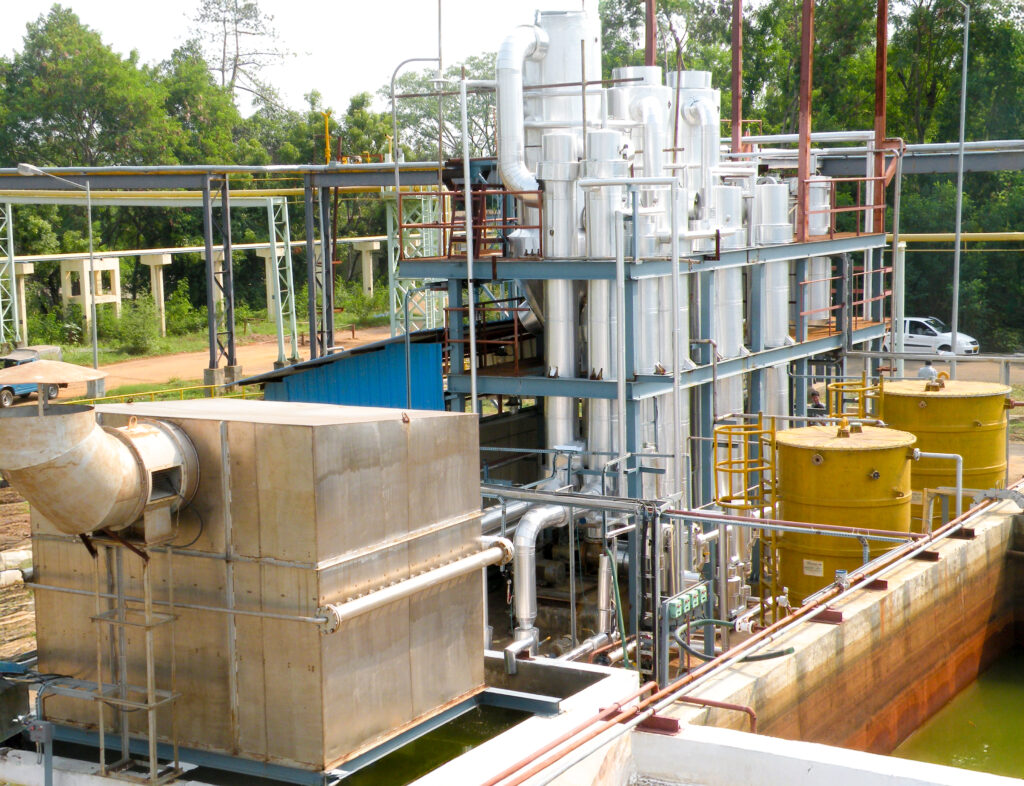
This option works best when you have land availability and trained manpower. It’s often paired with Effluent Treatment Plants to manage heavy industrial loads.
Tube Settler (Lamella Clarifier): Compact and Practical
For industries where space is limited, the tube settler (also known as a lamella clarifier) is a smart choice. Its inclined plates increase the settling area without needing a large footprint.
- Best for: Food industry effluent treatment, beverages, and small to mid-size plants.
- Strengths: Compact design, relatively easy O&M.
- Limitations: Struggles with high or fluctuating solids.
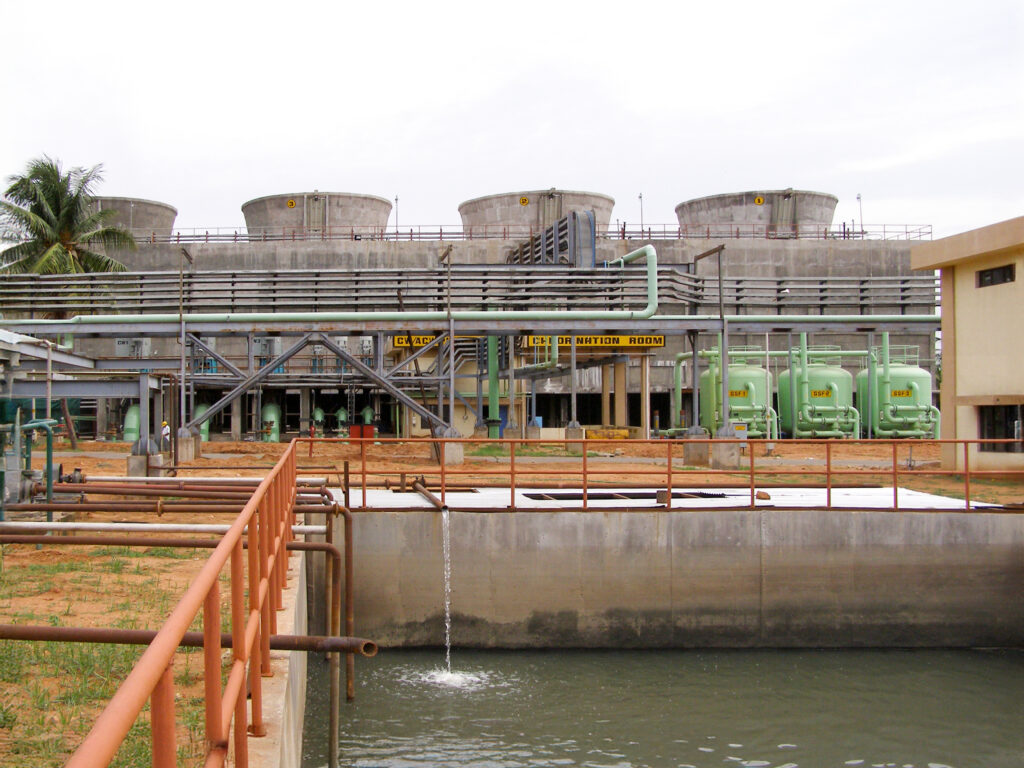
Tube settlers are often integrated with containerised sewage treatment plants because of their space-saving design.
HRSCC (High Rate Solid Contact Clarifier): Fast and Flexible
The HRSCC is designed for industries with variable or shock loads. It settles quickly, handles flow fluctuations well, and is known for speed.
- Best for: Cement plants, dyeing units, and power stations.
- Strengths: Faster settling and resilience against load shocks.
- Considerations: Higher energy consumption, sensitive to dosing and flow control errors.
Paired with proper DAF clarifiers and chemical treatment, HRSCCs deliver excellent performance in industries with unpredictable influent.
Quick Guide to Selection
Choosing the right clarifier or thickener isn’t about popularity. It’s about matching the system to real-world conditions:
- Limited land? → Go for a tube settler
- Variable or high-load influent? → Choose an HRSCC
- Large, stable flow? → Install a solids contact clarifier
According to the Central Pollution Control Board of India, clarifiers remain a mandatory component of primary treatment in both sewage and industrial effluent treatment plants. The right design is essential for compliance and efficiency.
Why Thickener Are Non-Negotiable
Beyond clarifiers, a thickener ensures that sludge handling is not left behind. Without efficient thickening:
- Dewatering systems (filter presses, centrifuges) overload.
- Energy costs rise due to excess water in sludge.
- Compliance issues emerge as solids escape into treated effluent.
In industries like Textiles, Pharmaceuticals, and Sugar Processing, thickeners directly impact operating expenditure and environmental compliance.
Ecovive’s Approach
At Ecovive, we don’t just pick a clarifier from a catalog. Every design is based on:
- Actual TSS levels in your wastewater
- Flow variability across shifts
- Available manpower for operations
- Site constraints (space, power, land availability)
We design thickeners and clarifiers that are tailored for real industrial loads, ensuring sustainable performance, compliance, and cost efficiency.
Sometimes, the simplest choice, like a tube settler for space savings, or an HRSCC for variability, can transform plant performance.
👉 Explore our Products & Services | See Industries We Serve
