A multi effect evaporator (MEE) is one of the most effective technologies in modern wastewater treatment. These systems are particularly important in Zero Liquid Discharge plants and in treating high-COD, high-TDS effluents from industries such as Chemical, Pharmaceuticals, Sugar Industry, and Textiles.
When designed and operated correctly, MEEs recycle water, reduce freshwater intake, and improve energy efficiency. They allow industries to recover clean condensate, reduce waste volume, and stay compliant with increasingly strict pollution norms.
Despite these advantages, many MEEs underperform in real plants. Steam wastage, scaling, and poor thermal balance are common issues that silently eat into efficiency and operating budgets. Understanding these challenges is the first step to fixing them.
1. Scaling: The Hidden Performance Killer
Scaling on heat exchanger tubes is the single biggest reason for reduced evaporation rates in a multi effect evaporator.
Why scaling happens:
- Inadequate or inconsistent pre-treatment before the evaporator
- Skipping cleaning intervals or relying only on reactive maintenance
- High brine concentration ratios that push salts beyond their solubility limit
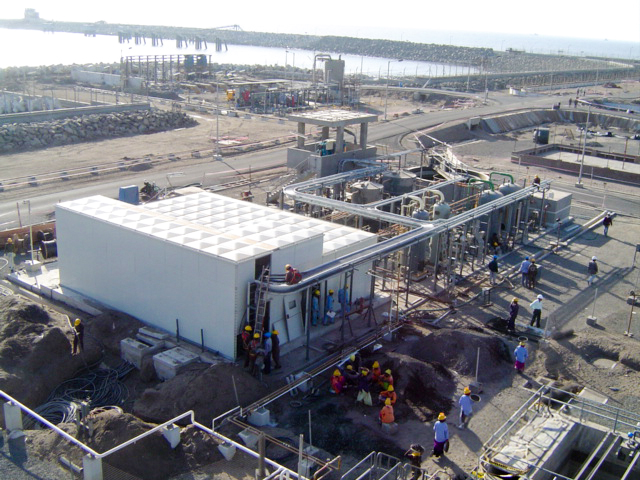
Once scaling builds up, the thermal conductivity of heat transfer surfaces drops drastically. This means more steam is needed to achieve the same evaporation rate. In extreme cases, scaling can lead to unplanned shutdowns and expensive tube bundle replacements.
Best practices to prevent scaling:
- Monitor feed TDS and pH continuously, not just with periodic lab checks
- Select antiscalants that are formulated for high-temperature evaporation conditions
- Follow a proactive CIP (clean-in-place) schedule rather than waiting for throughput to fall
- Integrate proper pre-treatment such as a leachate treatment plant to remove problematic compounds before they reach the evaporator
Scaling cannot be eliminated completely, but with the right design and operational practices it can be controlled to extend both efficiency and equipment life.
2. Condensate Reuse = Free Energy
A surprisingly common issue in MEE operations is venting hot condensate directly to drains. This is wasted thermal energy. Condensate recovery can dramatically improve steam economy.
Smart ways to use condensate:
- Recycle condensate back to the boiler as feedwater
- Use recovered condensate to preheat raw influent, reducing steam demand
- Continuously monitor condensate quality to prevent contamination of the boiler system
Many successful ZLD installations achieve 10–15% energy savings just by recovering and reusing condensate streams. In fact, the Central Pollution Control Board (CPCB) highlights condensate recovery as a critical design practice for sustainable ZLD systems.
3. Thermal Balancing is Non-Negotiable
A multi effect evaporator works on the principle of cascading steam from one effect to the next. If steam distribution is unbalanced, the entire system suffers.
What goes wrong in poor thermal balancing:
- Oversized first effect leaves subsequent effects starved
- Steam economy drops, requiring more fresh steam per kilogram of water evaporated
- Throughput falls short of design capacity
The solution: Design based on real-world feed variability, not just laboratory samples. Wastewater streams change seasonally and even daily. An MEE that is engineered with this in mind maintains stable performance.
Pairing the evaporator with a stripper column to remove volatile contaminants also improves thermal balance by preventing fouling and corrosion inside the evaporator.
4. Where MEEs Deliver the Most Value
Multi effect evaporators are capital-intensive, which means they must deliver long-term value. Industries that benefit most include:
- Pharmaceuticals and Chemicals → Regulatory compliance demands high-quality condensate recovery and complete effluent management.
- Textiles → High salt loads make conventional treatment impractical, making MEE a reliable option for brine concentration.
- Sugar and Distilleries → Seasonal high-COD wastewater streams can be concentrated and reused, reducing disposal costs.
- Power Plants → MEEs integrated with ZLD ensure zero discharge of ash pond effluents.
In each of these industries, MEE systems ensure not just compliance but also resource recovery and operational savings.
5. Future of Multi Effect Evaporators
The role of MEEs is evolving as industries push toward sustainability. Modern designs integrate:
- Hybrid systems with mechanical vapor recompression (MVR) to further reduce steam demand
- Smart controls with real-time monitoring of steam economy, scaling potential, and condensate quality
- Integration with ZLD systems that use advanced polishing units for near-total water reuse
As water scarcity and discharge norms become stricter, multi effect evaporators will continue to be a cornerstone of industrial wastewater recycling.
Ecovive’s Approach
At Ecovive, we ensure that your multi effect evaporator is not just installed but optimized for your conditions. Our approach includes:
- Feedwater analysis and scaling potential evaluation
- Steam economy audits and thermal integration reviews
- Automated control systems for CIP cycles and condensate recovery
Whether you are running a Zero Liquid Discharge plant in a Sugar Industry unit or managing high-COD effluents in a Textile facility, our MEE solutions are built to deliver both efficiency and sustainability.
A multi effect evaporator should save water and energy, not waste them. If your system is missing design targets, it is time to identify why.
👉 Explore our Products & Services | See Industries We Serve
