
Membrane Bioreactor (MBR) systems are becoming a preferred solution for industries that need reliable wastewater recycling. They produce crystal clear output, occupy a smaller footprint compared to conventional systems, and allow treated water to be reused safely.
However, MBRs are not cheap. Without careful evaluation, the return on investment may not justify the expense. The real question is whether your MBR is truly delivering value for your plant.
1. Membrane Life Does Not Equal Guaranteed ROI
Most manufacturers claim membranes will last between five and seven years. In reality, many plants replace them in as little as two or three years. The reasons often include:
- Influent water characteristics
- Inconsistent cleaning protocols
- Fouling or scaling rates
- Incorrect operating flux
When membranes fail early, it is usually a sign that the Waste Water / Effluent Treatment Plant design is not optimized. This leads to high operating costs and lower overall efficiency.
2. Output Quality Compared to Application
MBRs produce ultrafiltration grade effluent, which is ideal when consistent, high quality water is required. But does every industry really need this level of treatment?
- If water is discharged into rivers or surface bodies, MBR is often the best choice.
- If water is only reused in cooling towers, utilities, or flushing, a standard Ultra Filtration Plant can be more cost effective.
This is why MBR is common in the Pharmaceuticals Industry and Food & Beverages, where quality and compliance cannot be compromised. In other cases, investing in MBR may not bring a strong return.
3. Opex and Performance Curve
The real cost of MBR is not just the installation. Operational expenses decide whether the system succeeds or struggles. Key factors include:
- High aeration demand
- Frequent clean in place (CIP) cycles
- Declining flux that reduces efficiency
- Plant downtime and associated losses
An efficiently designed Sewage Treatment Plant with MBR integration balances these issues. Measuring energy use per cubic meter of treated water, cleaning frequency, and downtime helps control Opex.
4. MBR in ZLD and Advanced Recycling Systems
MBRs are also vital in Zero Liquid Discharge Systems. They provide high quality permeate that feeds downstream recovery units. In ZLD applications, combining MBR with a stripper column ensures volatile contaminants are removed before final polishing or evaporation.
This makes MBR indispensable in industries such as Chemical, Textiles, and Sugar Industry. In these sectors, regulatory compliance and water reuse targets are critical.
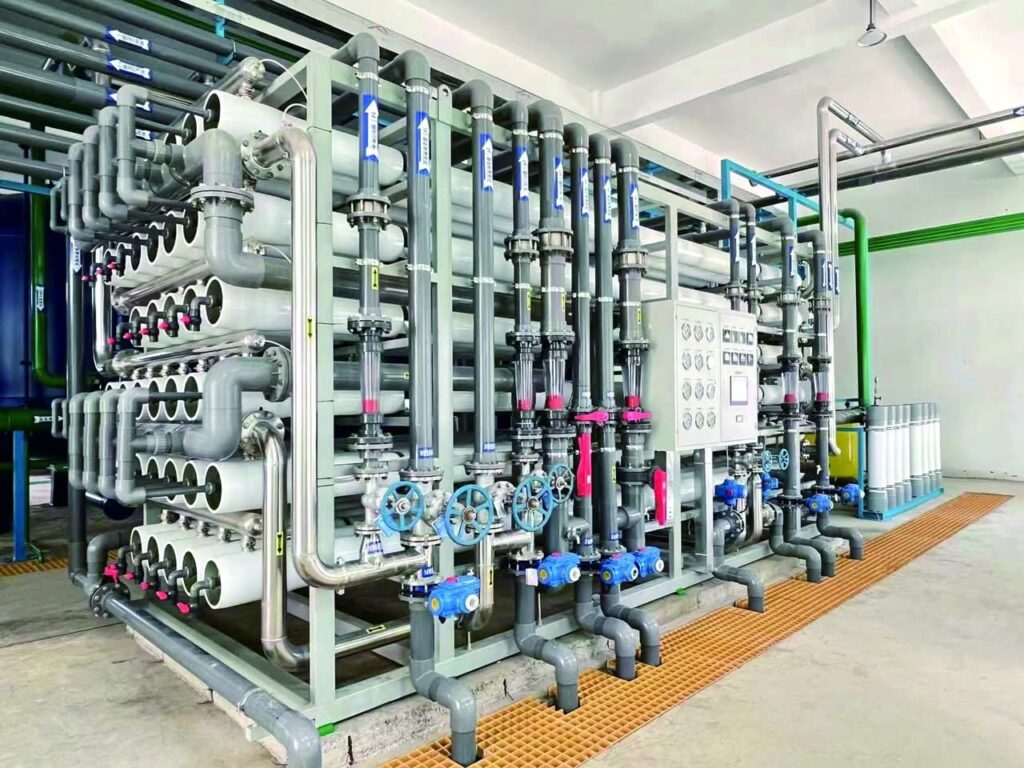
Ecovive’s Approach
At Ecovive, we do not simply install MBR systems. We design them to match your real operating conditions. Our approach includes:
- Flux design tailored to actual loading variations
- Smart CIP schedules that extend membrane life
- Lifecycle cost modeling to predict true ROI
Whether it is an Urban Infrastructure project or a large industrial setup, our systems are engineered to ensure MBR delivers results.
MBR is not a luxury. It is a tool that, when implemented properly, offers unmatched water quality, long term reliability, and cost efficiency.
👉 Explore our Products & Services | See Industries We Serve
